Affiliate Marketing Agency: A Complete Guide for Brands and Businesses
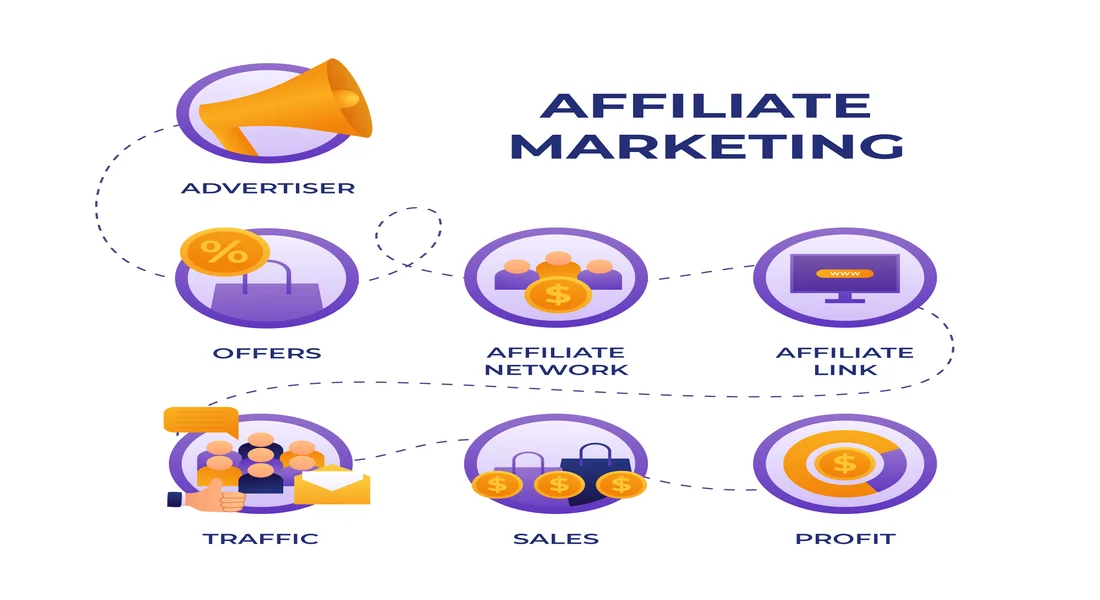
By working with publishers, artists, and platforms that promote products in return for commissions based on performance, an affiliate marketing agency assists brands in increasing their income. Affiliate marketing, in contrast to traditional advertising, focuses on measurable results like leads, sales, or qualified activities.
In order to effectively manage partnerships, maximize performance, and scale growth, brands are depending more and more on affiliate marketing firms in today’s competitive digital market. Whether you are a service provider, SaaS company, or eCommerce brand, working with the proper affiliate marketing agency may help you generate steady, measurable income.
How affiliate marketing agencies operate, what services they provide, why brands employ them, and how to pick the best agency for your company are all covered in this book.
What Is an Affiliate Marketing Agency?
An affiliate marketing agency is a specialized digital marketing firm that designs, manages, and optimizes affiliate programs for brands. Instead of paying upfront for ads, brands only pay commissions when affiliates deliver results.
Affiliate agencies act as a bridge between brands and affiliate partners by handling strategy, recruitment, tracking, optimization, and compliance.
Core Responsibilities of an Affiliate Marketing Agency
An affiliate marketing agency typically handles:
- Affiliate program setup and strategy
- Partner recruitment and onboarding
- Commission structure planning
- Tracking and attribution setup
- Performance optimization
- Fraud prevention and compliance
- Reporting and analytics
By outsourcing these responsibilities, brands can focus on product development and customer experience while the agency manages growth.
How an Affiliate Marketing Agency Works
Affiliate marketing agencies follow a structured, data driven process to generate results.
Step 1: Affiliate Program Strategy
The agency begins by understanding your business model, target audience, and revenue goals. This helps define:
- Ideal affiliate types
- Commission rates
- Target regions
- Key performance indicators
A well defined strategy ensures long term sustainability rather than short term traffic spikes.
Step 2: Affiliate Recruitment and Partnerships
Agencies actively recruit high quality affiliates such as:
- Content publishers
- Bloggers and niche websites
- Influencers and creators
- Coupon and deal sites
- Comparison platforms
Strong partnerships matter more than volume. Top agencies prioritize relevance, authority, and audience alignment.
Step 3: Tracking, Attribution, and Technology
Modern affiliate marketing agencies use advanced tracking platforms to ensure accurate attribution. This includes:
- Cookie tracking
- Cross device tracking
- First party data integration
- Conversion validation
Accurate tracking builds trust between brands and affiliates.
Step 4: Optimization and Scaling
Once campaigns are live, agencies continuously analyze performance data. Optimization focuses on:
- Improving conversion rates
- Adjusting commission models
- Identifying top performing affiliates
- Scaling profitable partnerships
This ongoing refinement drives consistent ROI.
Affiliate Marketing Agency Services Explained

A professional affiliate marketing agency offers a full suite of services designed to grow performance based revenue.
Affiliate Program Management
This includes daily program oversight, partner communication, and performance monitoring. Agencies ensure affiliates stay motivated and compliant with brand guidelines.
Affiliate Network Management
Agencies often work with major affiliate networks to manage relationships, approvals, and reporting while ensuring smooth integration.
Influencer and Content Affiliate Strategy
Modern affiliate marketing goes beyond links. Agencies collaborate with influencers and content creators to produce authentic, high converting content.
Commission and Payout Optimization
An effective commission structure balances profitability for the brand and motivation for affiliates. Agencies continuously test and refine payouts.
Compliance and Fraud Prevention
Affiliate fraud can harm brands. Agencies monitor traffic quality, enforce policies, and protect brand reputation.
Why Brands Use an Affiliate Marketing Agency
Working with an affiliate marketing agency offers clear advantages over in-house management.
Performance Based Growth
Brands only pay for results, making affiliate marketing cost efficient compared to paid ads.
Access to Established Affiliate Networks
Agencies already have relationships with trusted publishers and creators, speeding up growth.
Expertise and Industry Knowledge
Affiliate marketing agencies stay updated on platform changes, compliance rules, and emerging trends.
Scalability
An experienced agency can scale campaigns across markets, channels, and regions without increasing internal workload.
Affiliate Marketing Agency vs In House Team
Many brands wonder whether to build internally or outsource.
In-House Management Challenges
- High hiring costs
- Limited partner access
- Slower scaling
- Technology investment
Agency Advantages
- Faster execution
- Broader expertise
- Existing affiliate relationships
- Proven frameworks
For most growing brands, agencies offer faster ROI.
How to Choose the Right Affiliate Marketing Agency
Choosing the right affiliate marketing agency is critical for success.
Evaluate Experience and Track Record
Look for agencies with proven results in your industry. Case studies and performance metrics matter more than promises.
Transparency and Reporting
A reliable agency provides clear reporting on traffic, conversions, and revenue.
Custom Strategy Approach
Avoid agencies offering generic solutions. Your affiliate strategy should align with your brand goals.
Compliance and Brand Protection
Ensure the agency prioritizes ethical promotion and compliance.
Common Mistakes Brands Make with Affiliate Agencies
Even with an agency, mistakes can limit success.
- Focusing only on coupon sites
- Ignoring content and influencer affiliates
- Setting unrealistic commission structures
- Neglecting long term partnerships
A strong agency educates brands and avoids these pitfalls.
Affiliate Marketing Agency Pricing Models
Affiliate agencies use different pricing structures.
Common Pricing Models
- Monthly retainer
- Percentage of affiliate revenue
- Hybrid pricing model
The right model depends on business size and growth stage.
Affiliate Marketing Agency Trends
Affiliate marketing continues to evolve.
Key trends include:
- AI driven partner optimization
- Influencer affiliate hybrids
- First party data tracking
- International affiliate expansion
Agencies that adapt quickly deliver better results.
Frequently Asked Questions
What does an affiliate marketing agency do?
An affiliate marketing agency manages partnerships between brands and affiliates, handling strategy, recruitment, tracking, optimization, and reporting to drive performance based revenue.
Is an affiliate marketing agency worth it?
Yes, especially for brands seeking scalable growth with measurable ROI. Agencies bring expertise, tools, and partnerships that are difficult to replicate internally.
How long does it take to see results?
Most affiliate programs show meaningful results within three to six months, depending on industry and strategy.
Do affiliate marketing agencies work with influencers?
Yes. Many agencies combine influencer marketing with affiliate models to drive authentic, conversion focused campaigns.
Conclusion
An affiliate marketing agency plays a vital role in helping brands achieve scalable, performance driven growth. By managing strategy, partnerships, technology, and optimization, agencies turn affiliate marketing into a reliable revenue channel rather than a risky experiment.
For brands looking to expand reach, control costs, and improve ROI, partnering with the right affiliate marketing agency is not just an option, it is a strategic advantage. When chosen carefully, an agency becomes a long term growth partner that aligns performance with business success.